

Multiligament Knee Injury
Multiligament knee injuries occur when two or more primary ligaments (ACL, PCL, MCL, or LCL) are torn, often following high-energy trauma or severe joint dislocations. Precision diagnostic imaging, tailored surgical reconstruction, and phased rehabilitation are essential to restore joint stability and protect long-term knee function.

Specializing in Sports Medicine, Arthroscopy & Joint Replacement
- German Board-Certified Orthopaedic Surgeon
- DKG Certified Knee Surgeon
- AGA Certified Arthroscopic Surgeon
- GOTS Certified Sports Physician
- FIFA Diploma in Football Medicine
- International Experience (Germany & the GCC)
- Former Chief of Orthopaedic Surgery (Germany)
- 14+ Years of Experience
The knee relies on four primary ligaments — the ACL, PCL, MCL, and LCL — to maintain stability and alignment. A multiligament injury occurs when two or more of these crucial structures are torn, often resulting from high-energy trauma or severe sports impacts. Because these complex injuries frequently involve joint instability and potential neurovascular risk, precise surgical reconstruction and a meticulously planned rehabilitation protocol are essential to restore complete function and joint stability.
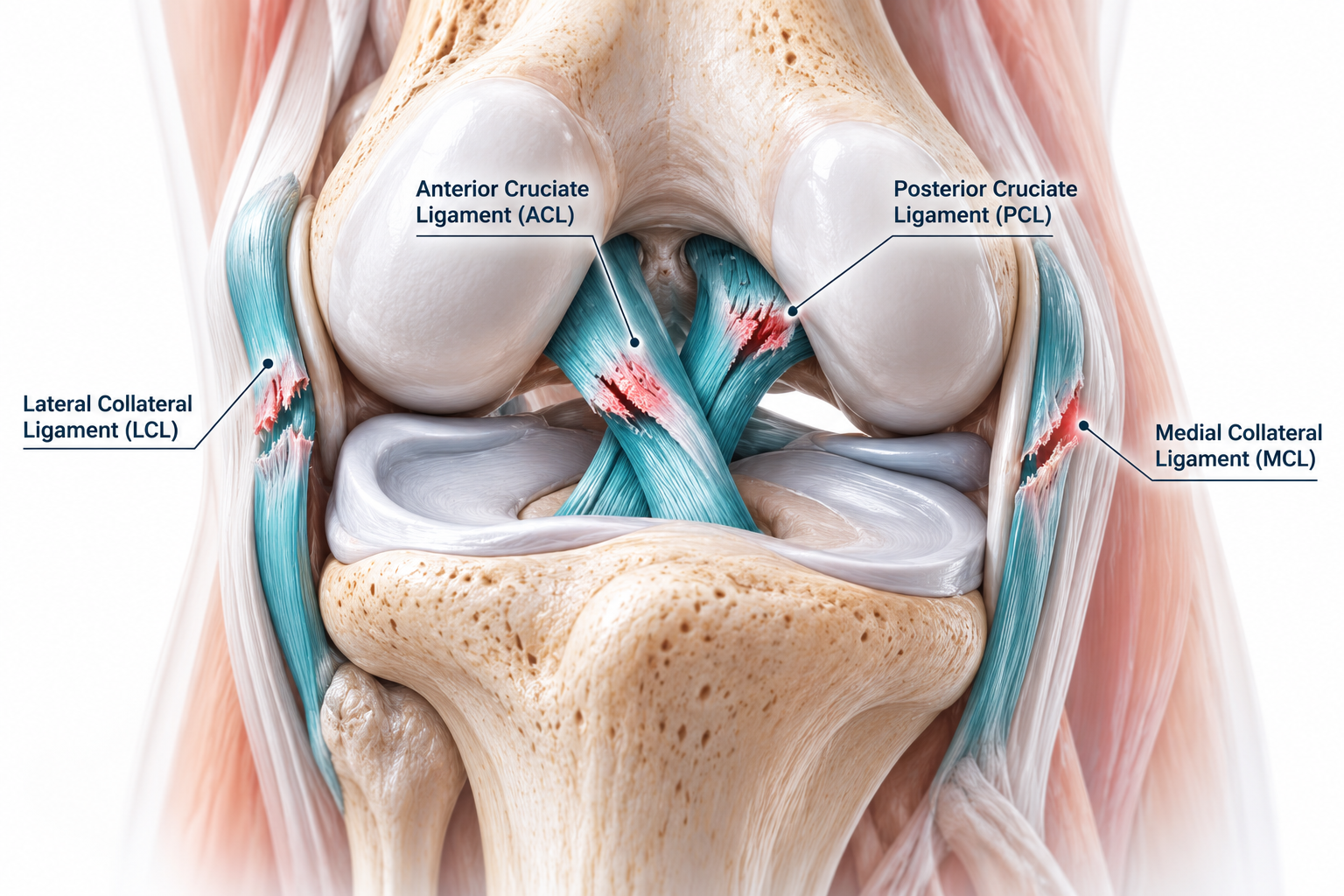 Anatomy diagram
1. Anatomy & Mechanisms
Complex knee stability relies on a balanced network of major ligaments. A multiligament injury occurs when two or more ligaments are disrupted, typically from severe joint dislocation or high-impact athletic trauma..
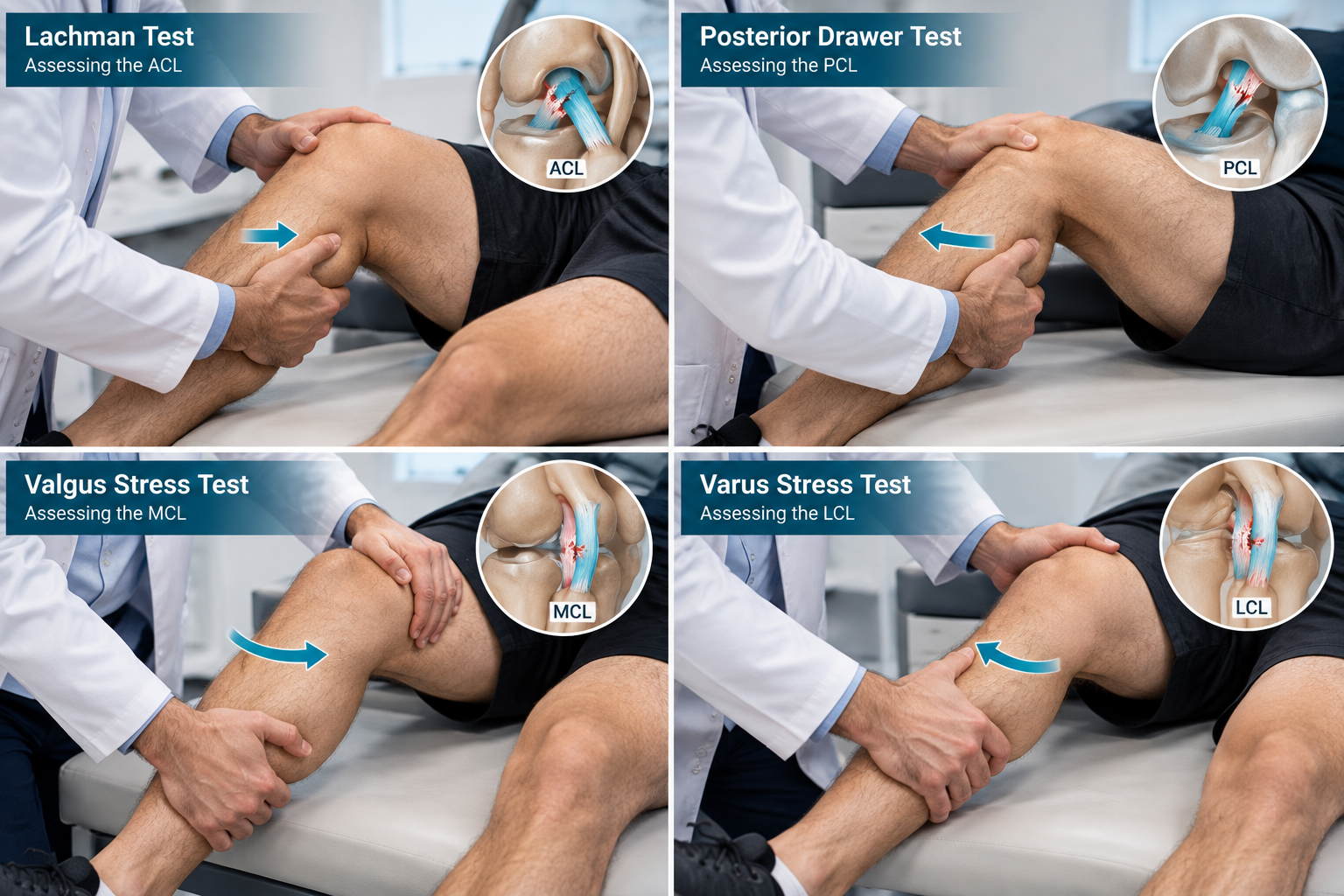 Clinical examination
2. Emergency & Clinical Assessment
Immediate and thorough clinical evaluation is critical. Beyond assessing ligamentous laxity, we carefully evaluate neurovascular integrity to ensure prompt, safe, and effective surgical planning.
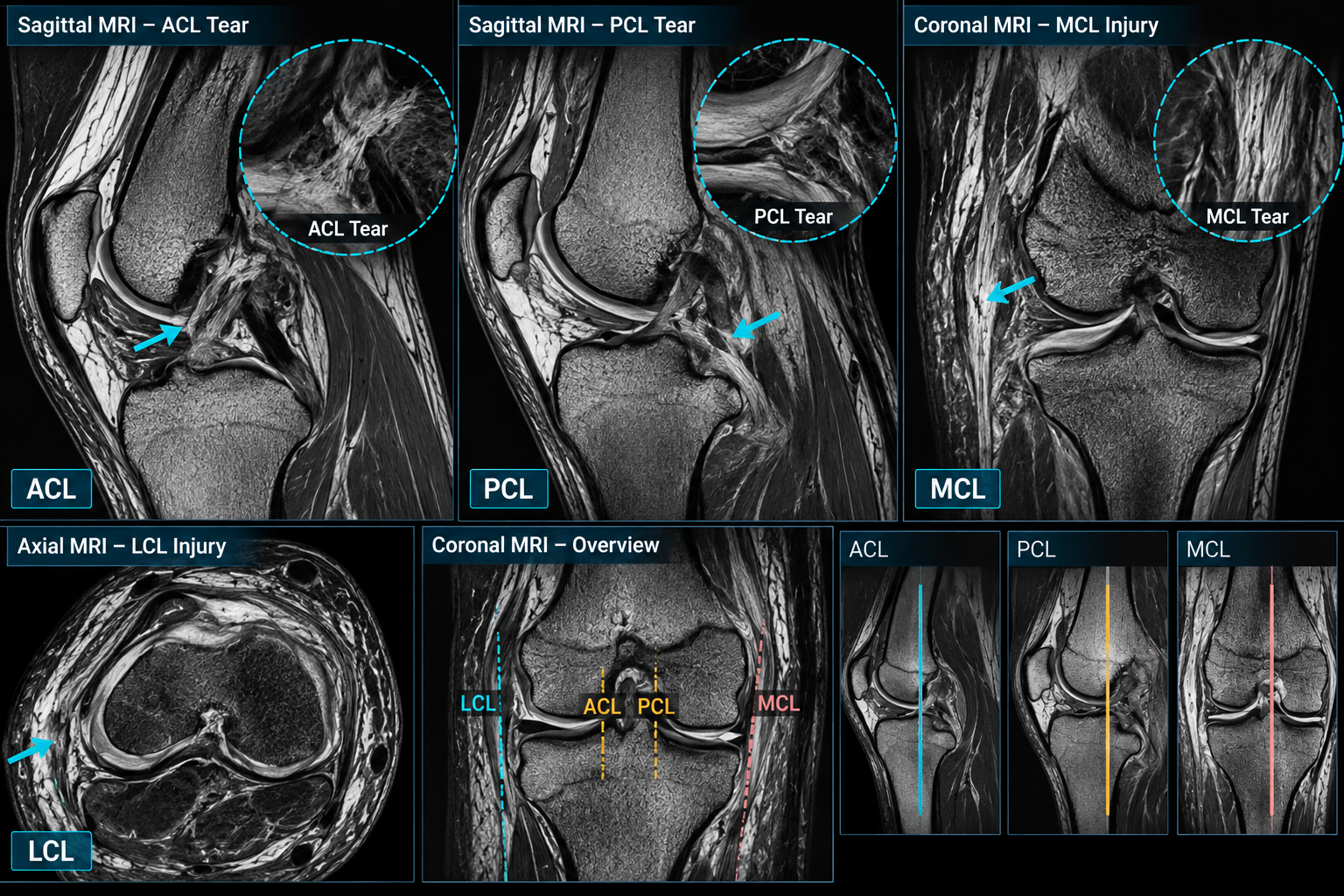 Diagnostic imaging
3. Advanced MRI & Stress Radiographs
High-resolution MRI and specialized stress radiographs map the exact combination of ligament tears, meniscus damage, and articular involvement, guiding a tailored surgical strategy.
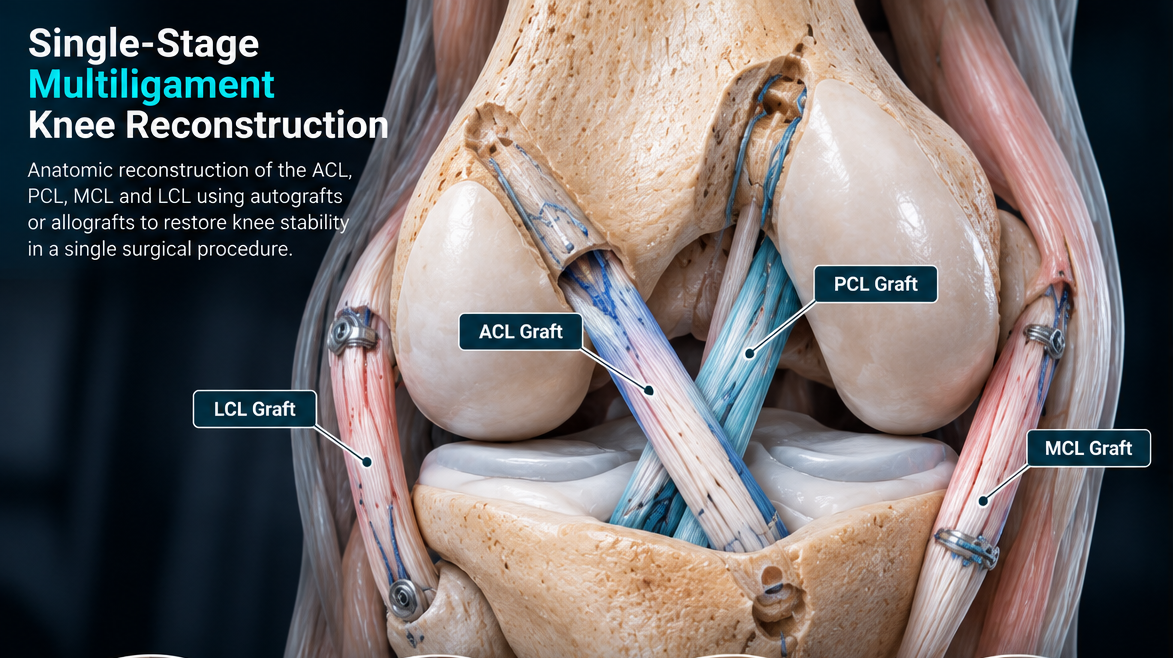 Treatment
4. Single-Stage Arthroscopic Reconstruction
Surgical treatment often involves single-stage multi-ligament reconstruction using advanced arthroscopic techniques and high-strength grafts to fully restore multi-planar joint stability
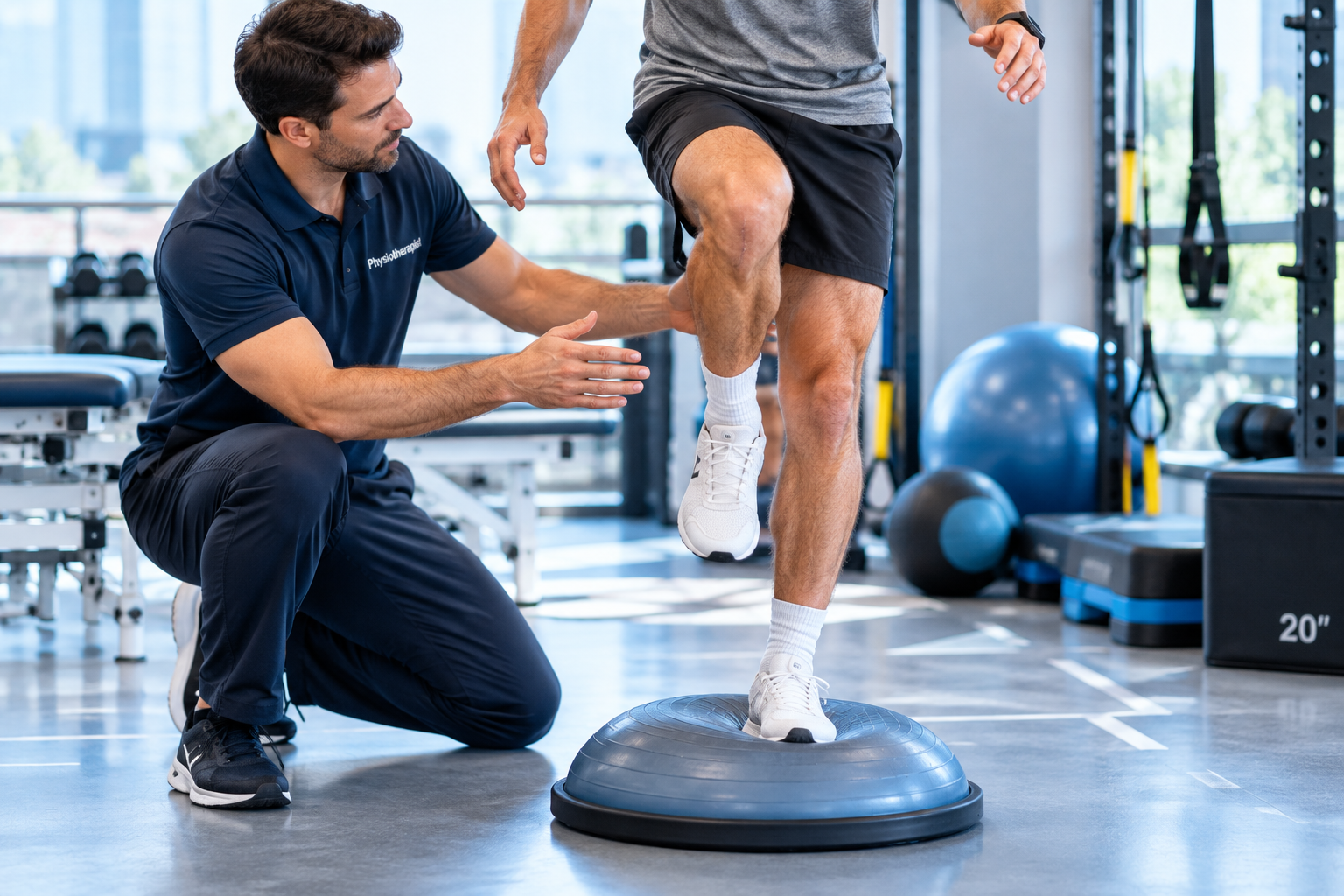 Rehabilitation
5. Structured Rehabilitation & Recovery
Recovery requires a phased, carefully monitored rehabilitation protocol. Controlled motion and progressive weight-bearing protect the repaired grafts while safely rebuilding strength.
Multiligament knee injuries are among the most complex surgical challenges in orthopaedics. Achieving a successful outcome requires precise diagnostic mapping, meticulous single-stage reconstruction, and a highly structured, patient-specific rehabilitation program.

Frequently Asked Questions
Can a multiligament knee injury heal without surgery?
What is the recovery timeline for returning to sports or heavy activities?
How soon can I walk or bearing weight after multiligament reconstruction?
Is single-stage reconstruction safe for complex multiligament knee injuries?
Note: This information is for general education only and should not replace a consultation with your doctor.
International Medical References
 American Academy of Orthopaedic Surgeonsaaos.org
 European Society of Sports Traumatology, Knee Surgery & Arthroscopyesska.org
 American Orthopaedic Society for Sports Medicinesportsmed.org
 Deutsche Kniegesellschaft (German Knee Society)dkg-online.de
 Society for Arthroscopy and Joint Surgeryaga-online.ch
Related Conditions


Book an Appointment
Secure your consultation today.
WhatsApp Us
Quick response for your enquiries.