

ACL Tear
A torn anterior cruciate ligament (ACL) is one of the most common yet highly treatable sports injuries. Understanding your injury, stability goals, and surgical or conservative rehabilitation options is the first step toward a safe return to sport and daily performance.

- German Board-Certified Orthopaedic Surgeon
- DKG Certified Knee Surgeon
- AGA Certified Arthroscopic Surgeon
- GOTS Certified Sports Physician
- FIFA Diploma in Football Medicine
- International Experience (Germany & GCC)
- Former Chief of Orthopaedic Surgery (Germany)
- 14+ Years of Experience
The Anterior Cruciate Ligament (ACL) is one of the four primary ligaments that maintain joint stability in your knee. Running diagonally through the center of the joint, it prevents the shin bone (tibia) from sliding forward relative to the thigh bone (femur) while controlling rotational stability.
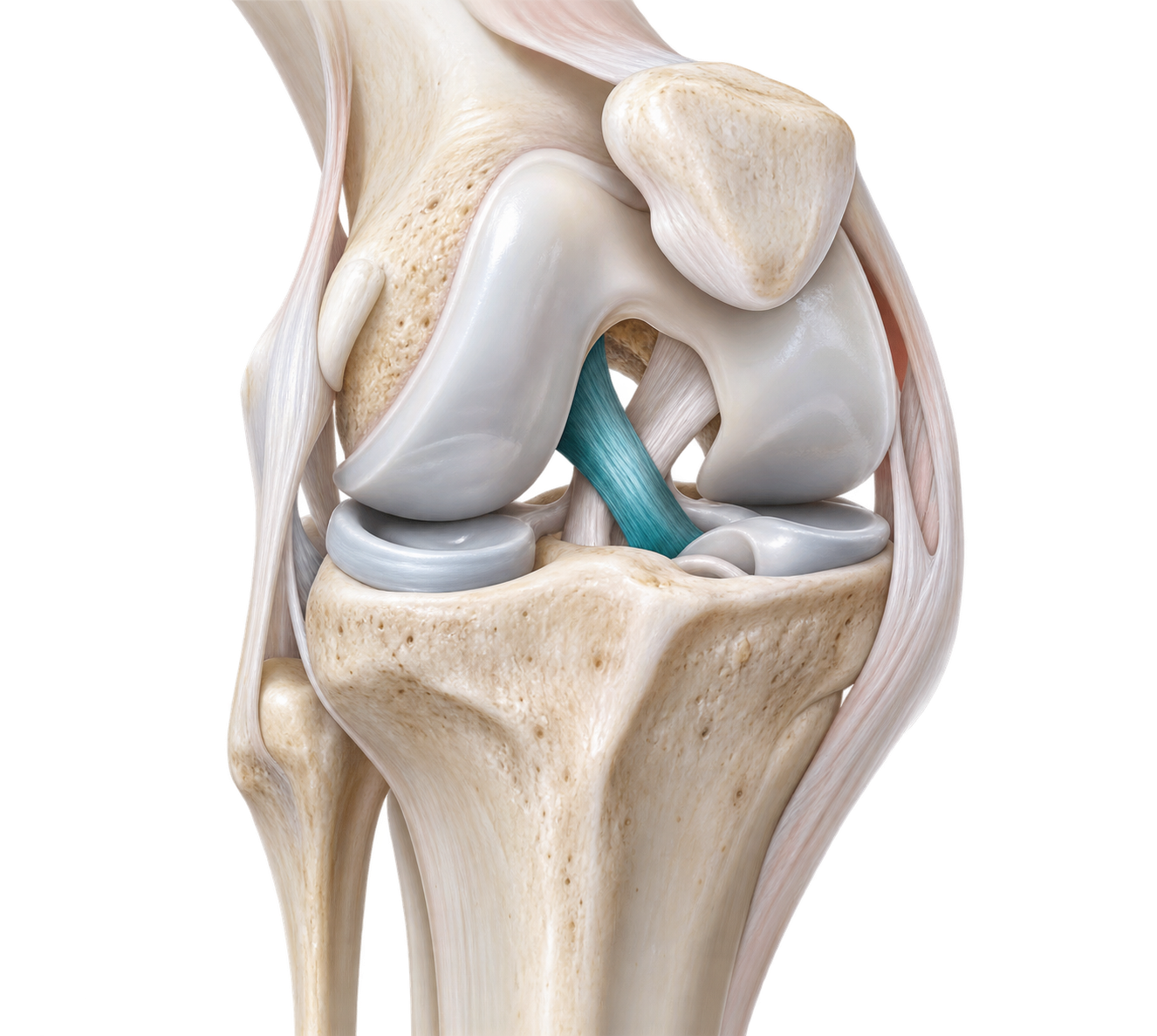
1. Anatomy (Knee Diagram)
Whether from a sudden pivot on the pitch, a jump, or a quick stop, an ACL tear happens in a fraction of a second. Understanding how your ligament was damaged is the first step toward getting your knee stable again.
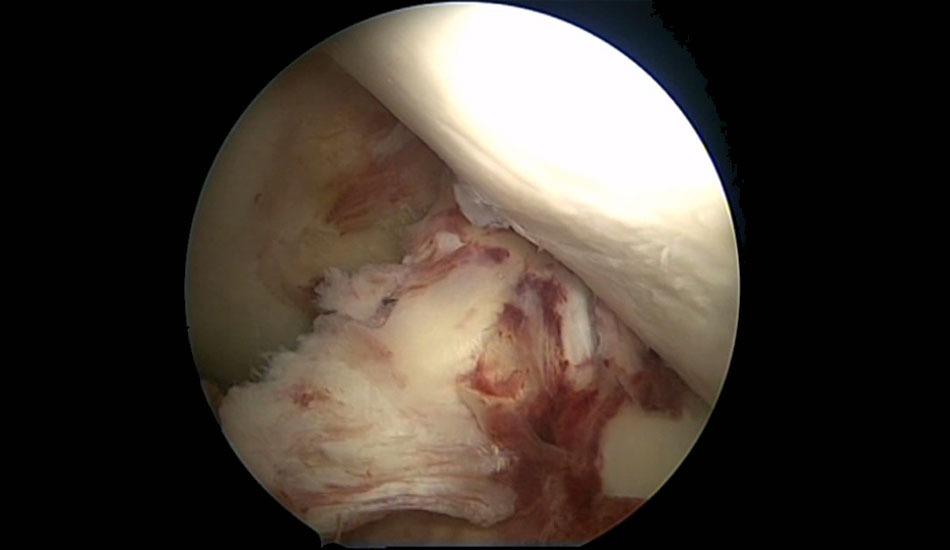 Arthroscopic view
2. Intra-operative Arthroscopic View
Through high-definition keyhole surgery, I directly inspect your joint to evaluate the exact extent of your tear and ensure every surrounding structure is meticulously treated.
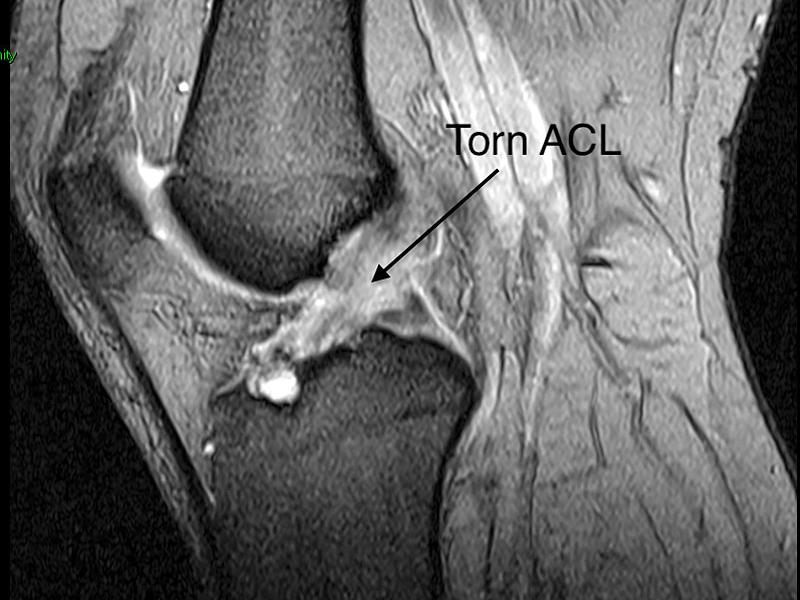 MRI scan
3. Typical MRI Findings
Your MRI gives us a complete picture of your knee. Together, we analyze it to confirm your diagnosis and check if your meniscus or cartilage needs targeted repair at the same time.
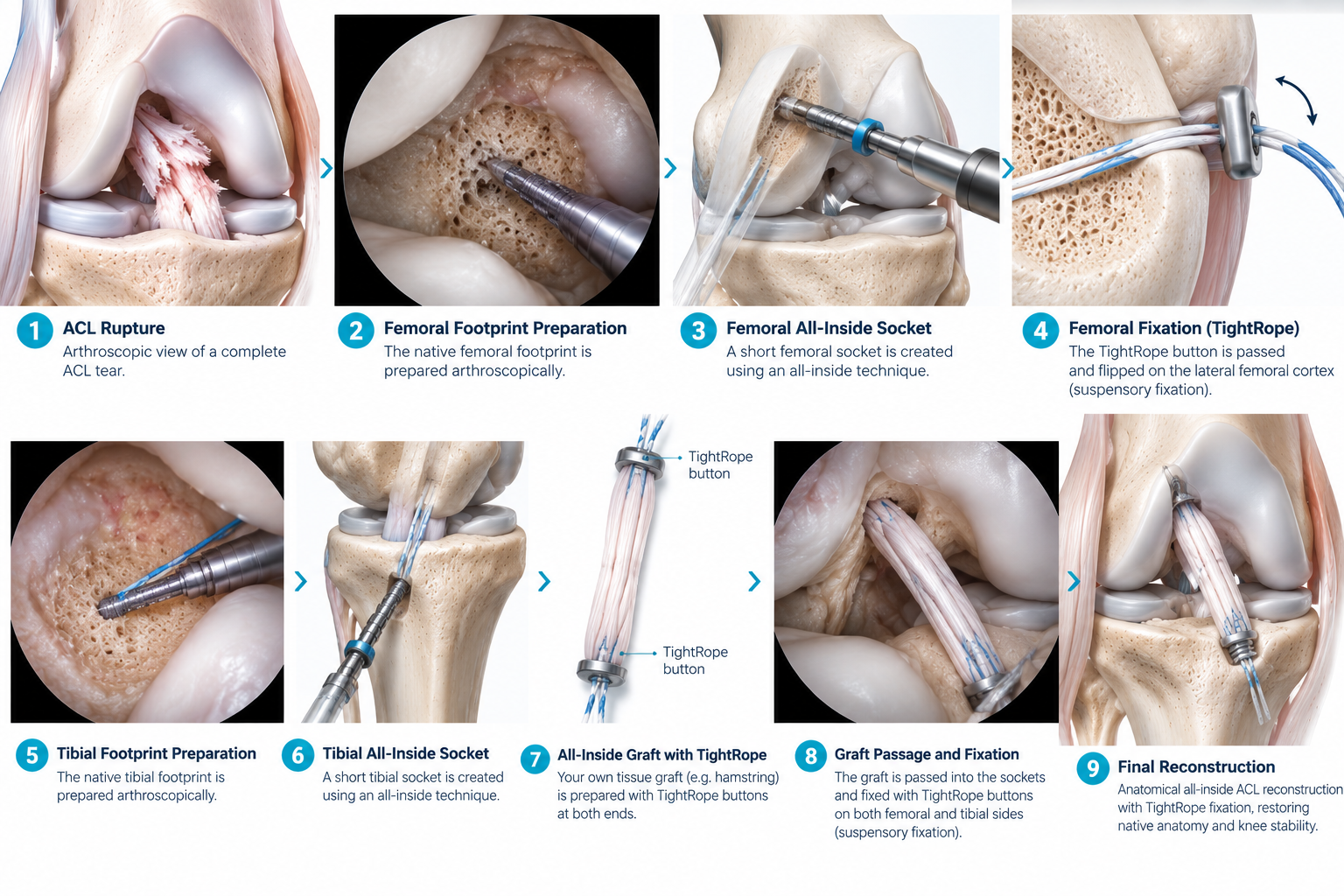 Reconstruction
4. ACL Reconstruction (Surgical Technique)
Using precise arthroscopic techniques and your own tissue graft, I reconstruct your ligament to restore its natural anatomy, rotational strength, and long-term joint protection.
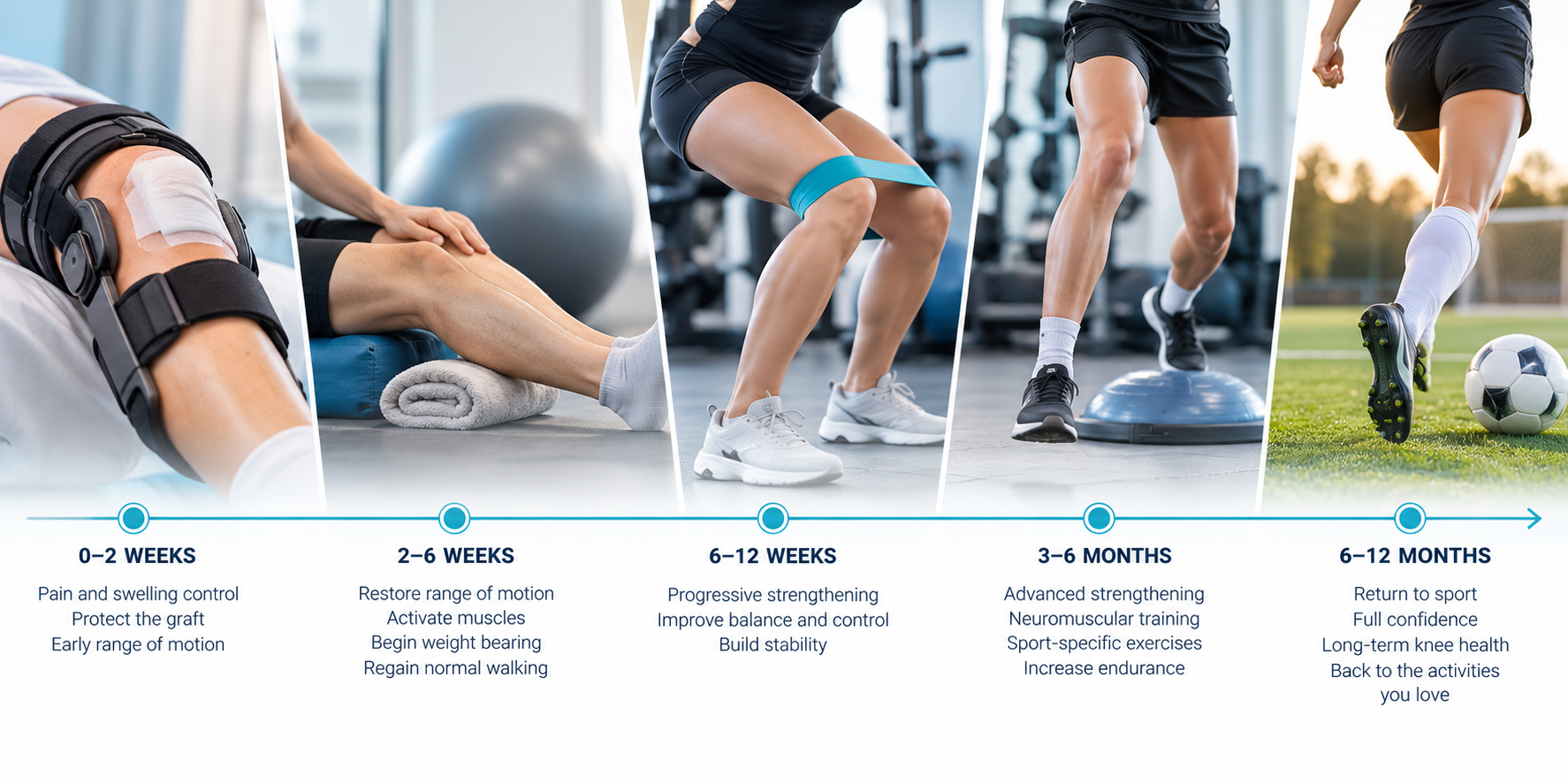 Rehabilitation
5. Recovery & Rehabilitation
Surgery is only half the journey. I guide you through a structured, step-by-step rehabilitation plan designed to rebuild your confidence and get you safely back to the activities you love.
Not every ACL injury requires immediate surgical reconstruction. The optimal treatment path depends on joint stability, activity expectations, associated meniscus injuries, and your long-term goals. Every treatment plan is individually tailored to restore joint health and safely guide you back to full physical performance.

Frequently Asked Questions
Can an ACL tear heal or be treated without surgery?
When can I return to daily activities, driving, and full knee flexion after surgery?
When can I return to sports and running after ACL surgery?
What is the best graft choice for ACL reconstruction?
Note: This information is for general education only and should not replace a consultation with your doctor.
International Medical References
 American Academy of Orthopaedic Surgeonsaaos.org
 European Society of Sports Traumatology, Knee Surgery & Arthroscopyesska.org
 American Orthopaedic Society for Sports Medicinesportsmed.org
 Deutsche Kniegesellschaft (German Knee Society)dkg-online.de
 Society for Arthroscopy and Joint Surgeryaga-online.ch
Related Conditions


Book an Appointment
Secure your consultation today.
WhatsApp Us
Quick response for your enquiries.