

Recuurent Patellar Instability and Dislocation
حين تنزلق الرضفة خارج أخدودها، جزئيًا أو كليًا، يكون الأمر مقلقًا وميّالًا إلى التكرار. وفهم سبب حدوثه يدل على العلاج الصحيح.

- استشاري جراحة العظام حاصل على شهادة البورد الألماني
- جراح ركبة معتمد من DKG
- جراح تنظير مفاصل معتمد من AGA
- طبيب رياضي معتمد من GOTS
- دبلوم الفيفا في طب كرة القدم
- International Experience (Germany & GCC)
- رئيس سابق لقسم جراحة العظام (ألمانيا)
- أكثر من ١٤ عامًا من الخبرة
تنزلق الرضفة عادةً صعودًا وهبوطًا داخل أخدود في مقدمة عظم الفخذ. وفي عدم ثبات الرضفة تخرج من ذلك الأخدود — نحو الخارج غالبًا — إما جزئيًا (خلع جزئي) أو كليًا (خلع كامل).
 العلاج
1. Signs & Symptoms
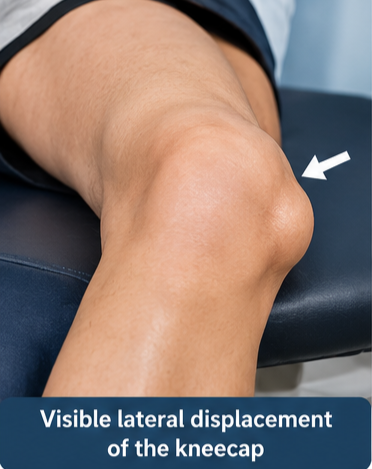
انزياح مرئي للرضفة — إلى الجانب، ثم عودتها فجأة غالبًا.
 إعادة التأهيل
2. Treatment Options
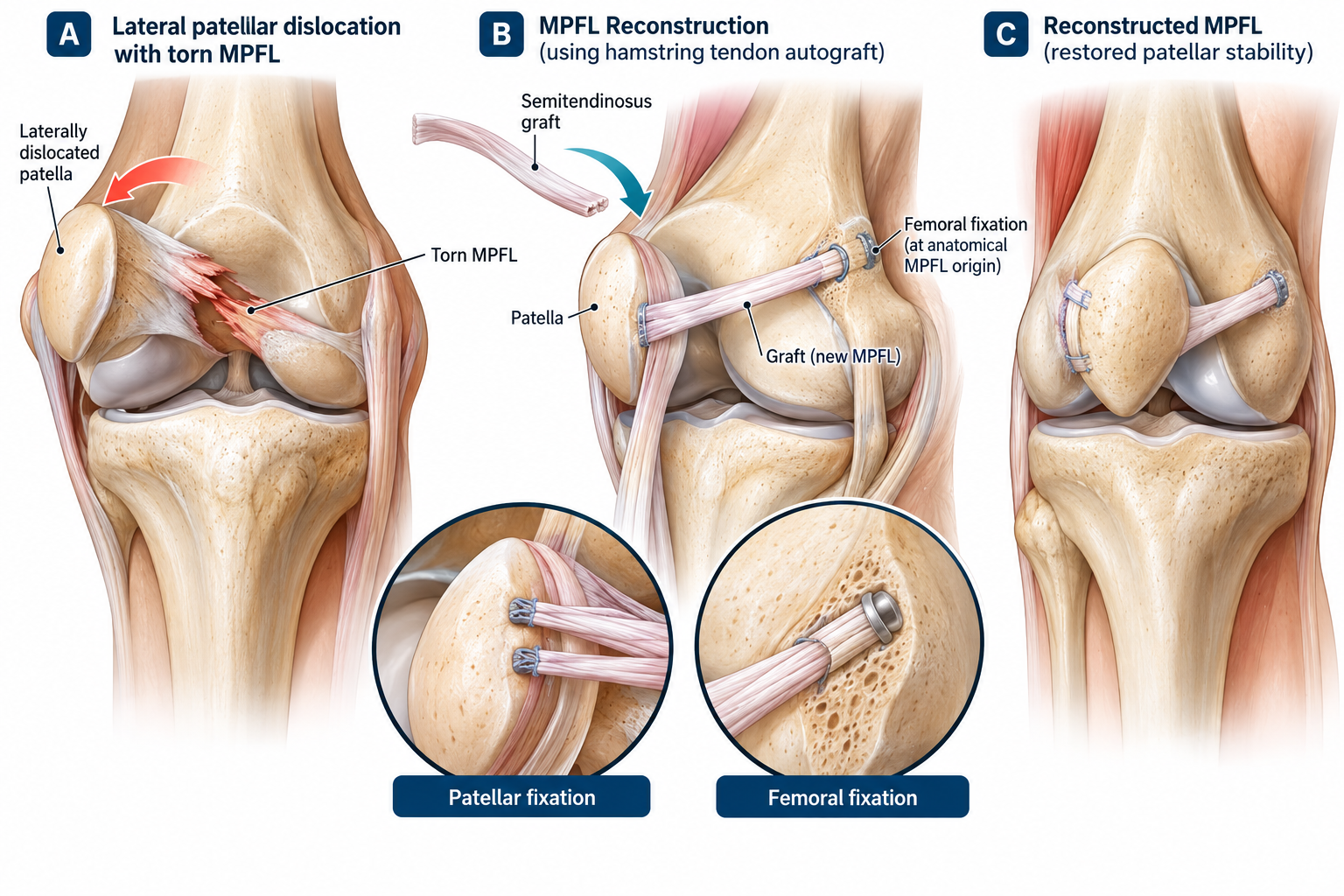
reatment depends on the severity of instability. Many patients improve with physiotherapy, quadriceps strengthening and bracing. For recurrent dislocations or ongoing instability, procedures such as MPFL reconstruction can restore stability and reduce the risk of future episodes..
حين تنزلق الرضفة خارج أخدودها، جزئيًا أو كليًا، يكون الأمر مقلقًا وميّالًا إلى التكرار. وفهم سبب حدوثه يدل على العلاج الصحيح.

الأسئلة الشائعة
How is a first-time patellar dislocation managed, and is surgery necessary?
How soon can I walk and bear weight after MPFL reconstruction surgery?
When is MPFL reconstruction indicated for recurrent patellar dislocations?
When can I return to sports safely without fear of kneecap re-dislocation?
Why are MRI and CT imaging necessary to evaluate patellar instability?
ملاحظة: هذه المعلومات للتثقيف العام فقط ولا تغني عن استشارة طبيبك.
مراجع طبية دولية


حالات ذات صلة


احجز موعدًا
احجز موعد استشارتك اليوم.
راسلنا عبر واتساب
استجابة سريعة لاستفساراتكم.